Photo Pose for Park

Park photo poses need clean open shade, visible hands, and simple movement so the greenery supports the subject.
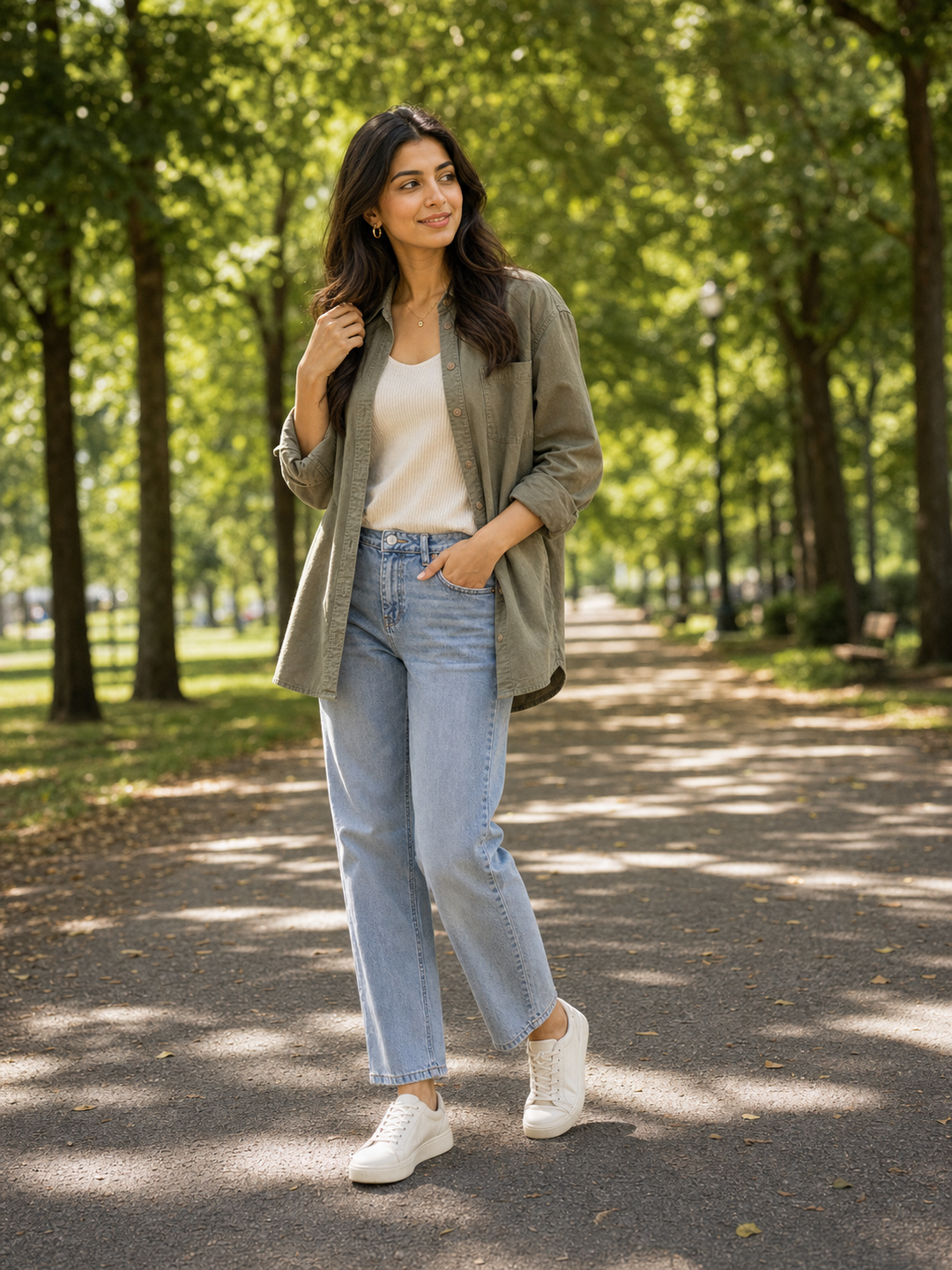
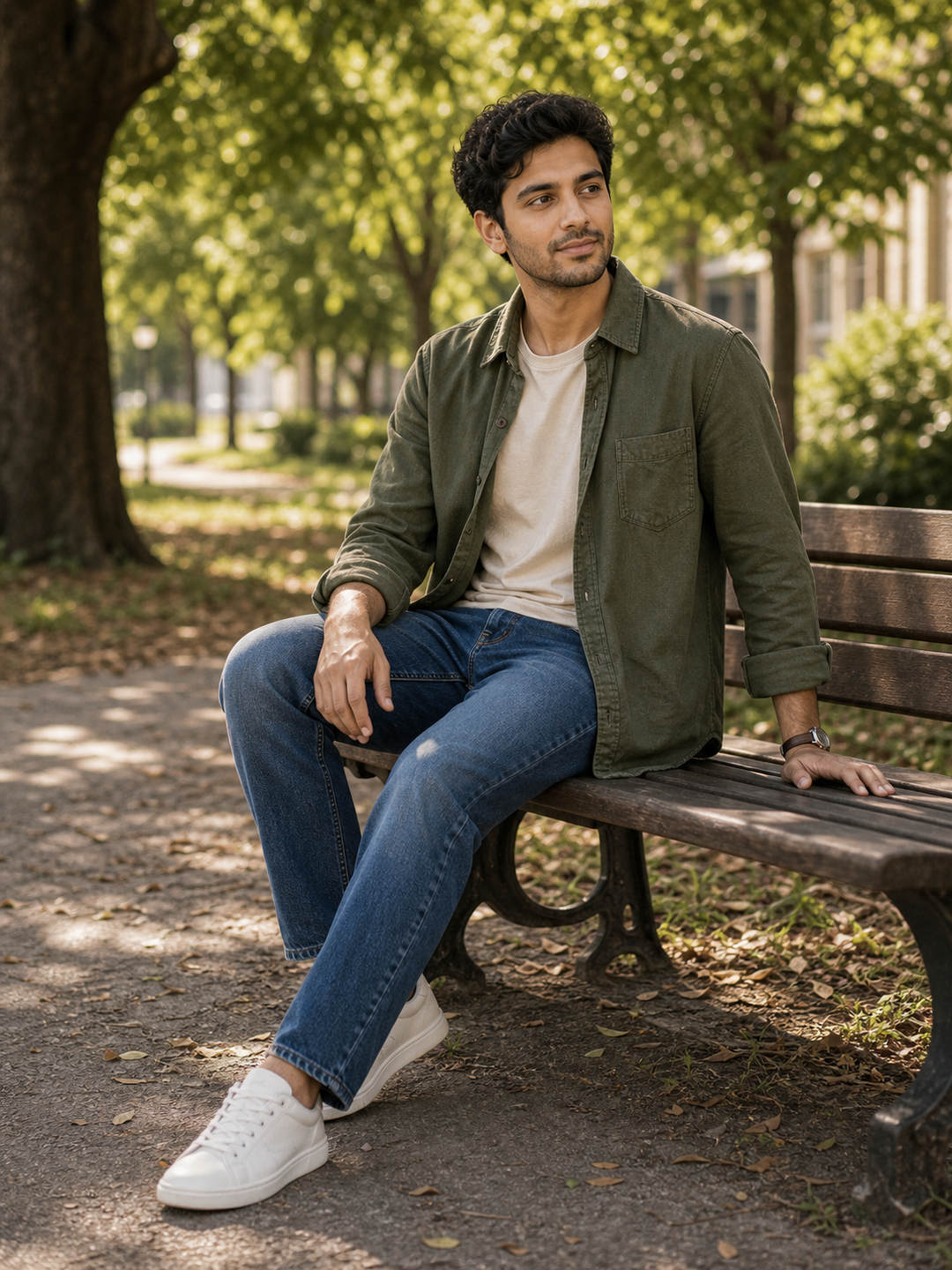
Photo Pose for Park open-shade park stance pose reference
01Open-shade park stance
Photo Pose for Park seated park bench pose reference
02Seated park bench
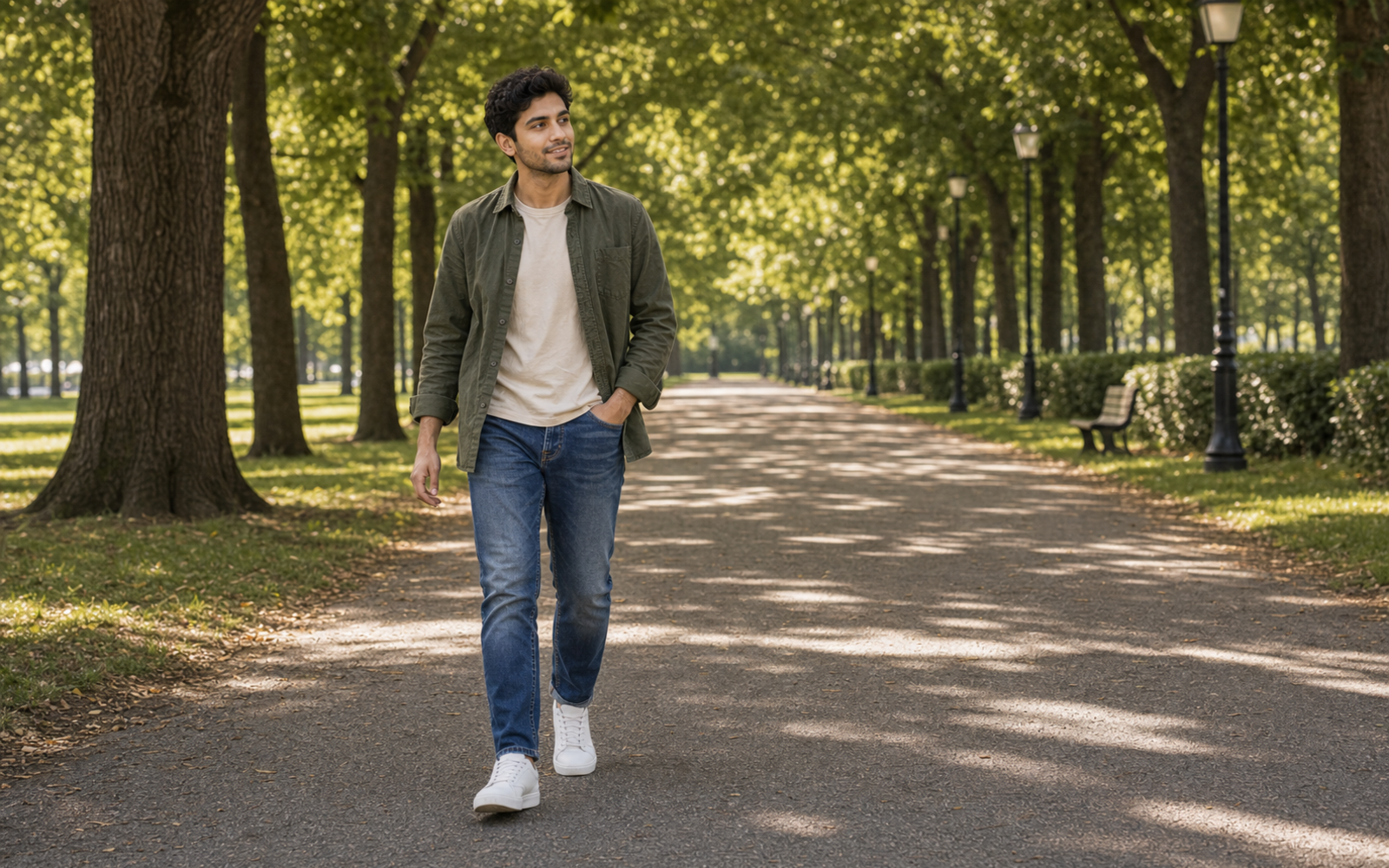
Photo Pose for Park wide park walk pose reference
03Wide park walk
01

Set the body line first

For park photo poses, decide weight shift, shoulder angle, and spacing before expression.

02

Give every hand a job

Use pockets, fabric, props, edges, safe support, or gentle connection so hands have a reason.

03

Face the clean light

Turn faces toward window light, open shade, or soft practical light before making the final frame.

04

Protect the crop

Leave room around heads, hands, elbows, outfit lines, props, and feet whenever pose mechanics matter.

Pose references

Each image is a practical pose reference for taking a real photo. Copy the body direction first, then adjust hands, eyes, and frame for the person and location.

Photo Pose for Park open-shade park stance pose reference
Path

Open-shade park stance

A vertical park pose with relaxed posture.

Stance
stand three-quarter with one foot forward
Hands
use pockets, sleeve, hair, or jacket edge
Eyes
look toward side light then camera
Frame
keep head, hands, outfit, and shoes visible
Photo Pose for Park seated park bench pose reference
Bench

Seated park bench

A vertical seated park pose with natural levels.

Stance
sit near bench edge with one knee angled
Hands
rest hands on bench edge, knee, or prop
Eyes
look just past camera
Frame
include bench, hands, and feet
Photo Pose for Park wide park walk pose reference
Walk

Wide park walk

A horizontal park image with gentle movement.

Stance
walk slowly with shoulders relaxed
Hands
use natural arm swing or one pocket
Eyes
look along the path before turning back
Frame
leave space ahead and keep the full body readable

Camera notes

Use these notes as the technical layer behind the pose: lens choice, light, spacing, timing, and the mistake to avoid.

LensUse 35mm when location or group spacing matters and 50mm when face shape and posture matter more.
LightPlace the subject toward the cleanest soft light first; change pose only after the face reads clearly.
HandsAssign every hand an anchor before varying expression, eye line, or camera height.
MistakeDo not reuse a generic image if the subject, setting, or action does not visibly match park photo poses.